
Introduction
The way people discover, research, and purchase products and services has changed dramatically. Today, customers often use search engines, social media, websites, online reviews, and digital advertisements before deciding which business to trust. This shift has made digital marketing an essential part of modern business growth.
Whether you run a small local business, an e-commerce store, a startup, or an established company, having a strong digital marketing strategy can help you connect with your target audience and compete effectively in the online marketplace. Simply having a website or social media account is not enough. Businesses need a clear strategy that combines the right channels, content, audience targeting, and measurable goals.
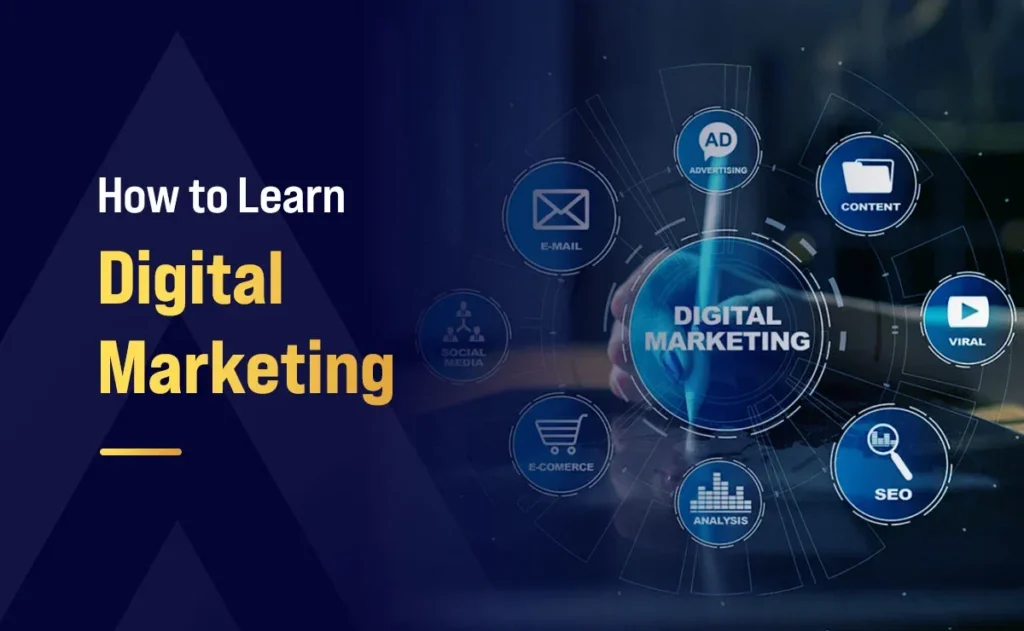
A well-planned digital marketing strategy helps businesses attract potential customers, build brand awareness, generate leads, increase sales, and develop long-term relationships with customers. In this blog, we will explore why your business needs a strong digital marketing strategy and how it can contribute to sustainable growth.
1. Build a Strong Online Presence
One of the biggest advantages of digital marketing is the ability to establish a strong online presence. Your customers are likely searching for information about products and services online, so your business needs to be visible where those customers spend their time.
A strong digital presence can include:
- A professional website
- Search engine optimization
- Social media profiles
- Valuable blog content
- Online advertisements
- Customer reviews
- Email marketing
When these channels work together, customers can discover and interact with your brand at different stages of their buying journey.
A strong online presence also helps establish credibility. Customers are more likely to trust a business that has an informative website, active social media profiles, positive reviews, and useful content.
2. Reach Your Target Audience
Traditional marketing methods often involve reaching large audiences with limited targeting options. Digital marketing allows businesses to target specific groups based on factors such as location, interests, demographics, online behavior, and search intent.
For example, a business selling professional software can create campaigns specifically for business owners or professionals. A local service provider can focus its marketing on customers within a specific geographic area.
Better targeting means your marketing messages are more likely to reach people who are genuinely interested in your products or services.
3. Increase Brand Awareness
Customers usually do not purchase from a business the first time they encounter it. They may see your website, social media post, advertisement, or blog several times before becoming familiar with your brand.
Digital marketing gives businesses multiple opportunities to build brand awareness.
Consistent branding across your website, social media channels, advertisements, and content can make your business more recognizable. Over time, customers may become more familiar with your company and more likely to consider it when they need a product or service you provide.
4. Generate More Leads
A major goal of digital marketing is generating qualified leads.
Your website can attract potential customers through search engines, social media, paid advertising, content marketing, and other channels. Once visitors arrive on your website, you can encourage them to take action through contact forms, calls, newsletter sign-ups, consultations, or product purchases.
For example, a service-based company can offer a free consultation or downloadable guide in exchange for contact information.
A well-designed digital marketing strategy can help move potential customers from awareness to consideration and eventually toward conversion.
5. Increase Sales and Revenue
Digital marketing can directly contribute to sales by connecting businesses with customers who are actively looking for their products or services.
Search engine optimization can help attract people searching for relevant products. Paid advertising can place your business in front of highly targeted audiences. Social media can build interest and engagement, while email marketing can encourage existing customers to make additional purchases.
For e-commerce businesses, digital marketing can be particularly valuable because customers can discover products, compare options, and complete purchases online.
The key is to connect marketing activities with measurable business outcomes rather than focusing only on visibility.
6. Improve Customer Engagement
Digital marketing is not just about attracting new customers. It also provides opportunities to communicate with existing customers.
Social media allows businesses to respond to comments and questions. Email marketing can provide personalized updates and offers. Content marketing can educate customers and help them get more value from products or services.
Engaging with customers can strengthen relationships and encourage loyalty.
When customers feel that a business understands their needs and provides useful information, they may be more likely to return and recommend the brand to others.
7. Compete With Larger Businesses
Digital marketing has created opportunities for businesses of different sizes to compete for online attention.
A small business may not have the same advertising budget as a large corporation, but it can still compete through targeted marketing, high-quality content, local SEO, social media engagement, and excellent customer service.
For example, a local business can optimize its online presence to attract customers searching for services in its area.
A strong strategy allows smaller businesses to focus their resources on specific audiences instead of trying to reach everyone.
8. Make Data-Driven Decisions
One of the most powerful benefits of digital marketing is the ability to measure performance.
Businesses can monitor metrics such as:
- Website traffic
- Search rankings
- Click-through rates
- Conversion rates
- Leads
- Sales
- Cost per acquisition
- Advertising performance
- Social media engagement
- Email open and click rates
This information helps businesses understand what is working and what needs improvement.
For example, if one advertising campaign generates significantly more qualified leads than another, the business can allocate more resources to the successful campaign.
This data-driven approach can make marketing decisions more informed and efficient.
9. Improve Your Return on Marketing Investment
A strong digital marketing strategy helps businesses use their budgets more effectively.
Instead of spending money across multiple channels without knowing the results, businesses can track campaign performance and make adjustments based on data.
Paid advertising campaigns can be optimized by testing different audiences, advertisements, keywords, and landing pages. SEO strategies can be improved by analyzing search performance and user behavior. Content can be updated based on which topics attract the most engagement.
Continuous optimization can help businesses get greater value from their marketing investment.
10. Build Long-Term Customer Relationships
A successful business needs more than one-time purchases. Building long-term relationships with customers can contribute to repeat business and customer loyalty.
Digital marketing provides many ways to stay connected with customers after the initial purchase.
Businesses can use email newsletters, educational content, social media, loyalty programs, and personalized communications to remain connected with their audience.
Providing value consistently can help keep your brand relevant and encourage customers to return.
11. Adapt to Changing Customer Behavior
Customer behavior continues to evolve. New social platforms emerge, search behavior changes, and customers increasingly expect personalized and convenient digital experiences.
A strong digital marketing strategy helps businesses adapt to these changes.
Regularly analyzing customer behavior and campaign performance allows businesses to identify new opportunities. Instead of relying on the same marketing methods for years, businesses can experiment with new platforms, content formats, and strategies.
Flexibility is essential for maintaining a competitive advantage in a changing digital environment.
12. Create a Consistent Marketing Approach
Without a strategy, businesses may post randomly on social media, publish occasional blog articles, or run advertisements without a clear objective.
A digital marketing strategy brings all these activities together.
For example, an effective strategy might combine SEO, content marketing, social media, email marketing, and paid advertising. Each channel can support the others while working toward common business goals.
Consistency also helps create a recognizable brand identity and ensures that customers receive a similar message across different platforms.
How to Build an Effective Digital Marketing Strategy
Creating a successful strategy begins with understanding your business and customers.
Start by defining clear objectives. Then identify your target audience and research their needs, preferences, challenges, and online behavior.
Next, select the marketing channels that are most relevant to your audience. Develop useful content, optimize your website, and establish a consistent publishing and advertising schedule.
Finally, measure your results regularly. Use performance data to identify successful campaigns and areas that need improvement.
A digital marketing strategy should not remain fixed. It should evolve as your business grows and customer behavior changes.
Conclusion
A strong digital marketing strategy is essential for businesses that want to succeed in today’s competitive online environment. It can help you build brand awareness, reach the right audience, generate qualified leads, increase sales, improve customer engagement, and make better marketing decisions.
The key is not simply to use every available digital channel. Instead, businesses should focus on creating a clear, customer-focused strategy that connects marketing activities with measurable goals.
By combining the right channels, producing valuable content, understanding your audience, and continuously analyzing performance, your business can create a stronger online presence and develop sustainable opportunities for long-term growth.
In an increasingly digital marketplace, investing in a well-planned digital marketing strategy is not just a marketing advantage—it is an important part of building a successful and competitive business.